-
 Call Us Now +90 232 502 01 26
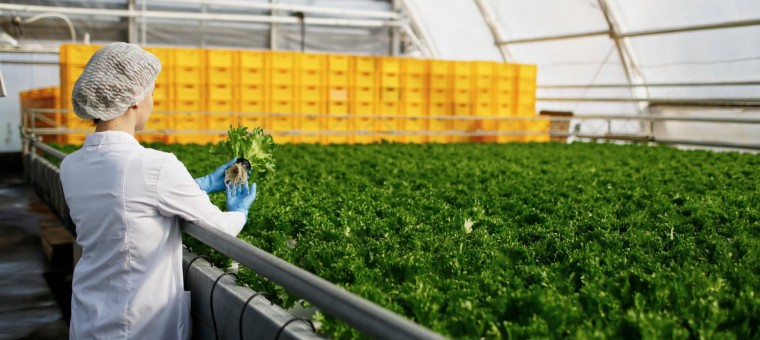
The ISO 22000 Food Safety Management System is an international standard providing the quality and physical conditions necessary to increase the level of the food safety for the companies producing food. It is based on enabling traceability of the safe food for all stages from supply of the raw materials and including all production processes of the products and selection of the packages to the provision to the end consumer.
Who Needs Food Safety Management System?
The ISO 22000 Food Safety Management System can be applied for all companies from the food production chain. Food producers, food package producers, food storages, logistics companies, institutional catering service providers, hotels, restaurants, food sterilization services providers, fodder producers can be certified in accordance with the ISO 22000 Food Safety Management System.
Benefits of Application of the Food Safety Management System
It is applicable for whole food chain;
All of the demands from the consumers related to food safety are met;
Ease of exportation due to it is a system recognized internationally;
It decreases the risk of recalling the products;
It increases the productivity and satisfaction of the employees;
It raises awareness of the employees related to hygiene and food safety;
It decreases the food poisoning and death risks;
It enables conformity with the laws;
It minimizes the problems arising as a result of the official audits;
It provides reliability related to fulfilling the legal obligations to produce safe food for the food businesses;
It approaches to the development of efficient control;
It can be applied for each stage of the food chain.